
Directorio Legislativo

Peru Runoff Election Results: A Technical Tie and Electoral Uncertainty

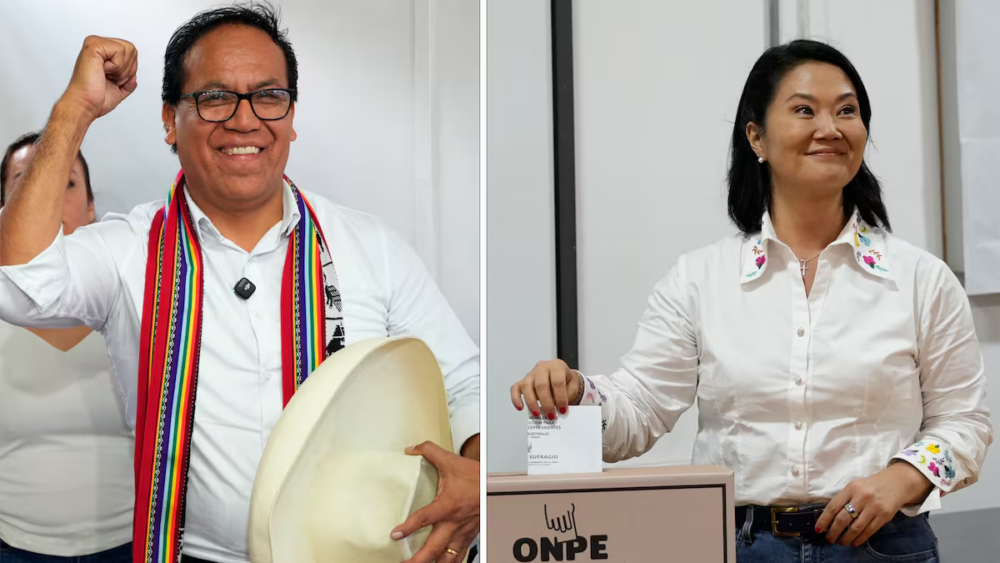
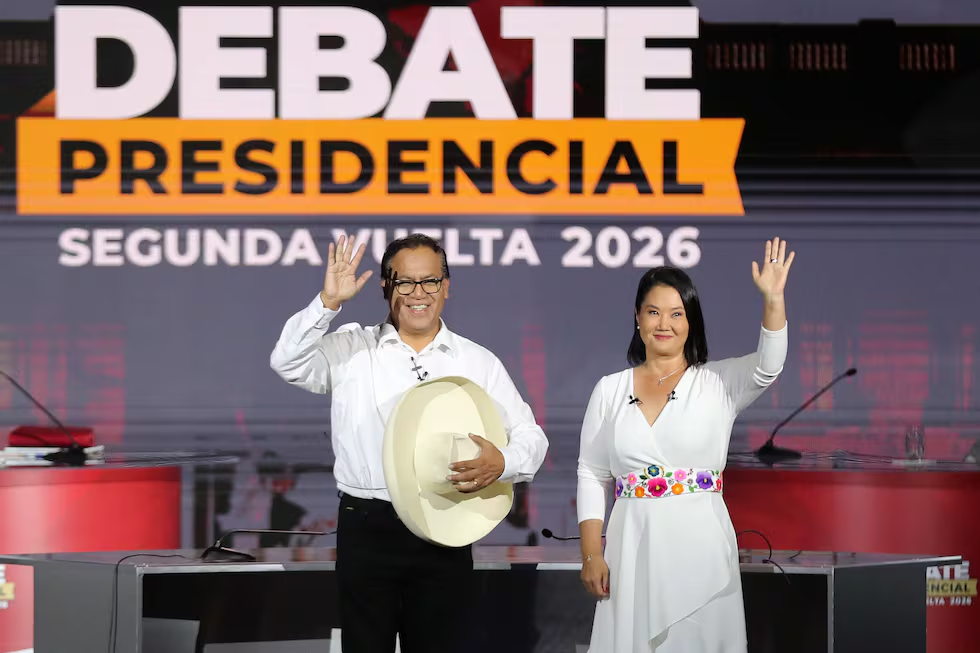
Following Sunday’s presidential runoff election for the 2026–2031 term, Peru finds itself in an exceptionally close race between candidates Keiko Fujimori (Popular Force) and Roberto Sánchez (Together for Peru). With 93% of ballots counted by the National Office of Electoral Processes (ONPE), the margin stands at just 36,000 votes, keeping the contest within the range […]

Peru Runoff Election Results: A Technical Tie and Electoral Uncertainty Read More »

Peru Elections: Keiko Fujimori and Roberto Sánchez Face Off in the Runoff

On June 7, Peru will hold its presidential runoff election, in which more than 27 million citizens will decide who will lead the country during the 2026–2031 term. The election pits Keiko Fujimori (Popular Force), who leads voting intention with 36.64% and draws most of her support from Lima and the coastal regions, against Roberto

Peru Elections: Keiko Fujimori and Roberto Sánchez Face Off in the Runoff Read More »

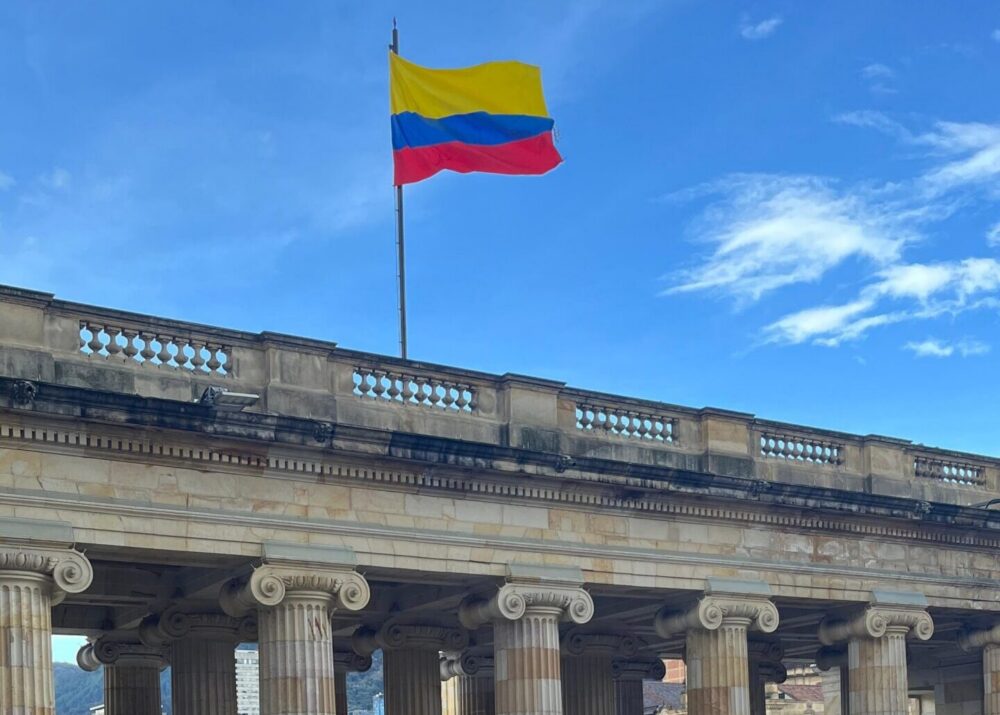
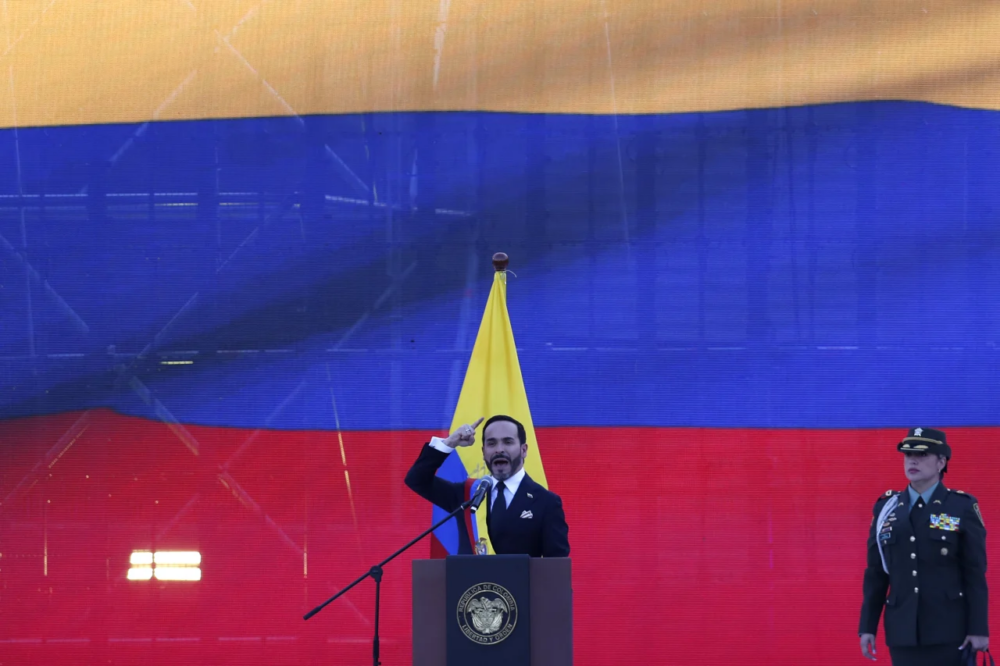
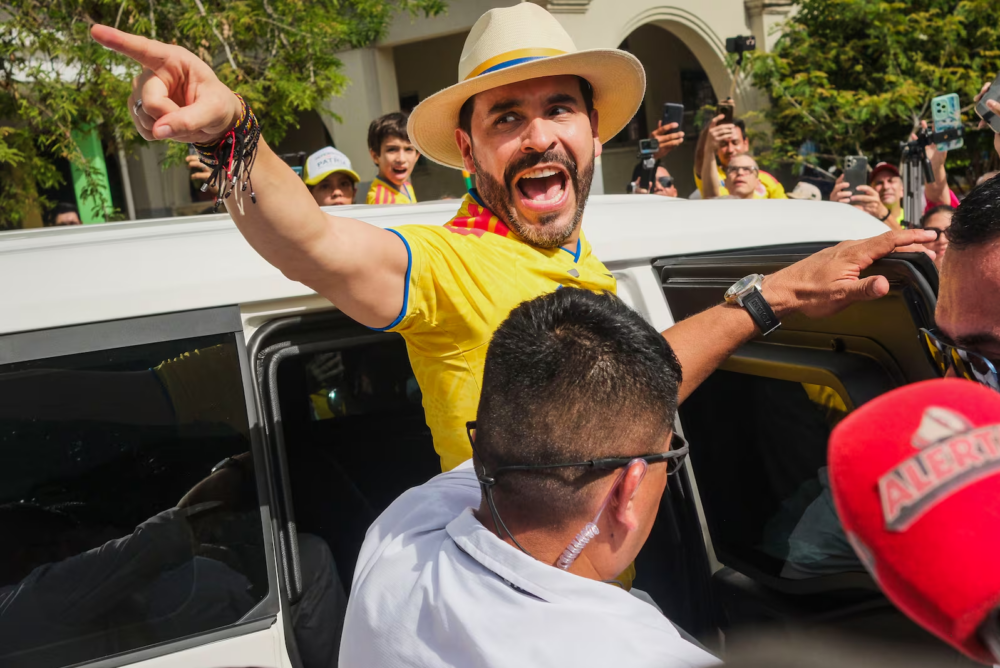
Colombia: De la Espriella Wins First Round and Will Face Cepeda in Presidential Runoff

Following an election day that recorded the highest voter turnout in the country’s recent history, the Colombian political landscape was reshaped this Sunday with a result that places two opposing political projects on a direct path toward the presidency. Contrary to forecasts from several polls that had positioned the incumbent bloc as the favorite, criminal

Colombia: De la Espriella Wins First Round and Will Face Cepeda in Presidential Runoff Read More »

Argentina Rocks: Political Outlook and Legislative Challenges for the Mining Sector toward 2027

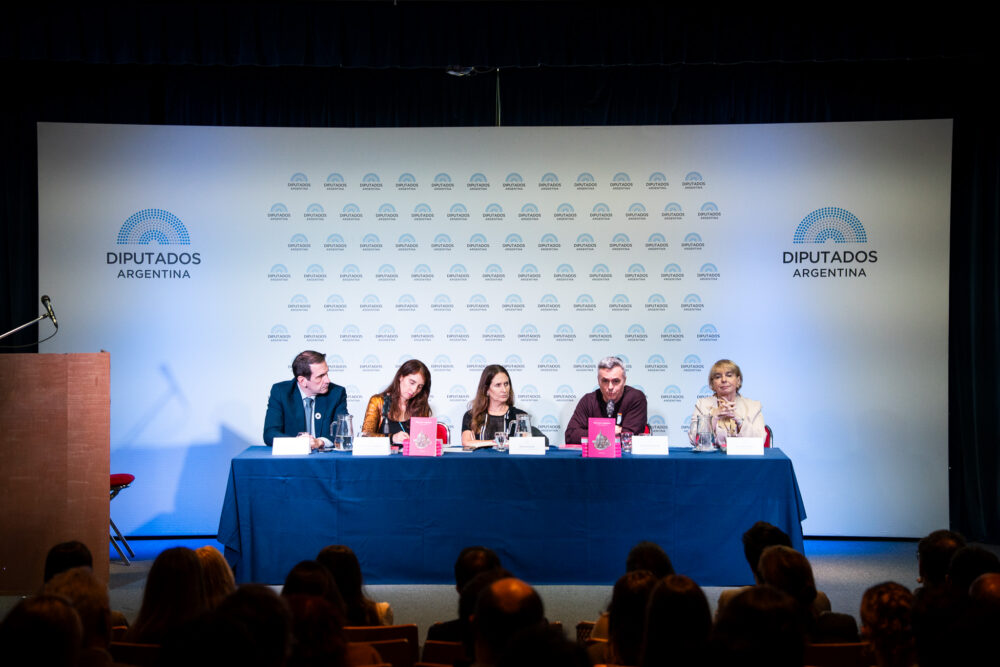
As part of the first edition of Argentina Rocks—a new space created to foster interaction among stakeholders in the geological and mining sector held in Mendoza—our Director of Political Analysis, Pablo García Baccino, participated in the panel dedicated to legislation, geopolitics, and financial opportunities. His presentation, titled “Change or Continuity? 2027 Elections: Scenarios and Implications

Argentina Rocks: Political Outlook and Legislative Challenges for the Mining Sector toward 2027 Read More »

Elections in Colombia: A Three-Bloc Scenario with Cepeda Leading

On May 31, Colombia will elect its president and vice president for the 2026–2030 term. With no possibility of re-election for the incumbent president, Gustavo Petro, polls point to a three-bloc scenario: although 13 candidates are running, Iván Cepeda leads voting intention with 38%, followed by Abelardo De la Espriella with 30% and Paloma Valencia

Elections in Colombia: A Three-Bloc Scenario with Cepeda Leading Read More »

Cancer Financing in Latin America: Legislation, Science, and Civil Society

At Directorio Legislativo, we developed this research to provide rigorous evidence in support of more capable and informed legislative bodies. In Latin America, the debate on how to finance access to innovative cancer treatments is here to stay. Governments, health systems, and the pharmaceutical industry are seeking tools to reconcile fiscal sustainability with timely access

Cancer Financing in Latin America: Legislation, Science, and Civil Society Read More »

Elections in Peru: Fujimori Leads as the Country Moves Toward a Runoff in a Reconfigured Political Landscape

Peru held general elections this Sunday to elect the Presidency of the Republic, two vice presidencies and, following the return to bicameralism, a new Congress for the 2026–2031 term. With 54.32% of ballots counted, Keiko Fujimori (Fuerza Popular) leads with 16.96% of the vote, followed by Rafael López Aliaga (Renovación Popular) with 14.53% and Jorge

Elections in Peru: Fujimori Leads as the Country Moves Toward a Runoff in a Reconfigured Political Landscape Read More »

Elections in Peru: fragmentation, uncertainty, and the return to bicameralism

On April 12, Peru will hold general elections to determine the president and two vice presidents for the 2026–2031 term, alongside the renewal of Congress under a new bicameral structure. In a context marked by high political fragmentation and growing public disaffection, the electoral scenario appears open and highly uncertain. In addition to the presidential

Elections in Peru: fragmentation, uncertainty, and the return to bicameralism Read More »

Pacto Histórico Emerges as the Leading Force in Colombia’s Congress

On Sunday, Colombians elected the new members of Congress: 103 senators and 183 representatives who will shape the legislative agenda until 2030. With 23% of the vote, the ruling coalition Pacto Histórico consolidated itself as the leading political force, while Centro Democrático, with 16%, positioned itself as the second most voted bloc. In the Senate,

Pacto Histórico Emerges as the Leading Force in Colombia’s Congress Read More »

Contact Us