
Colombia: Abelardo De la Espriella’s Victory and the Challenges of Governance
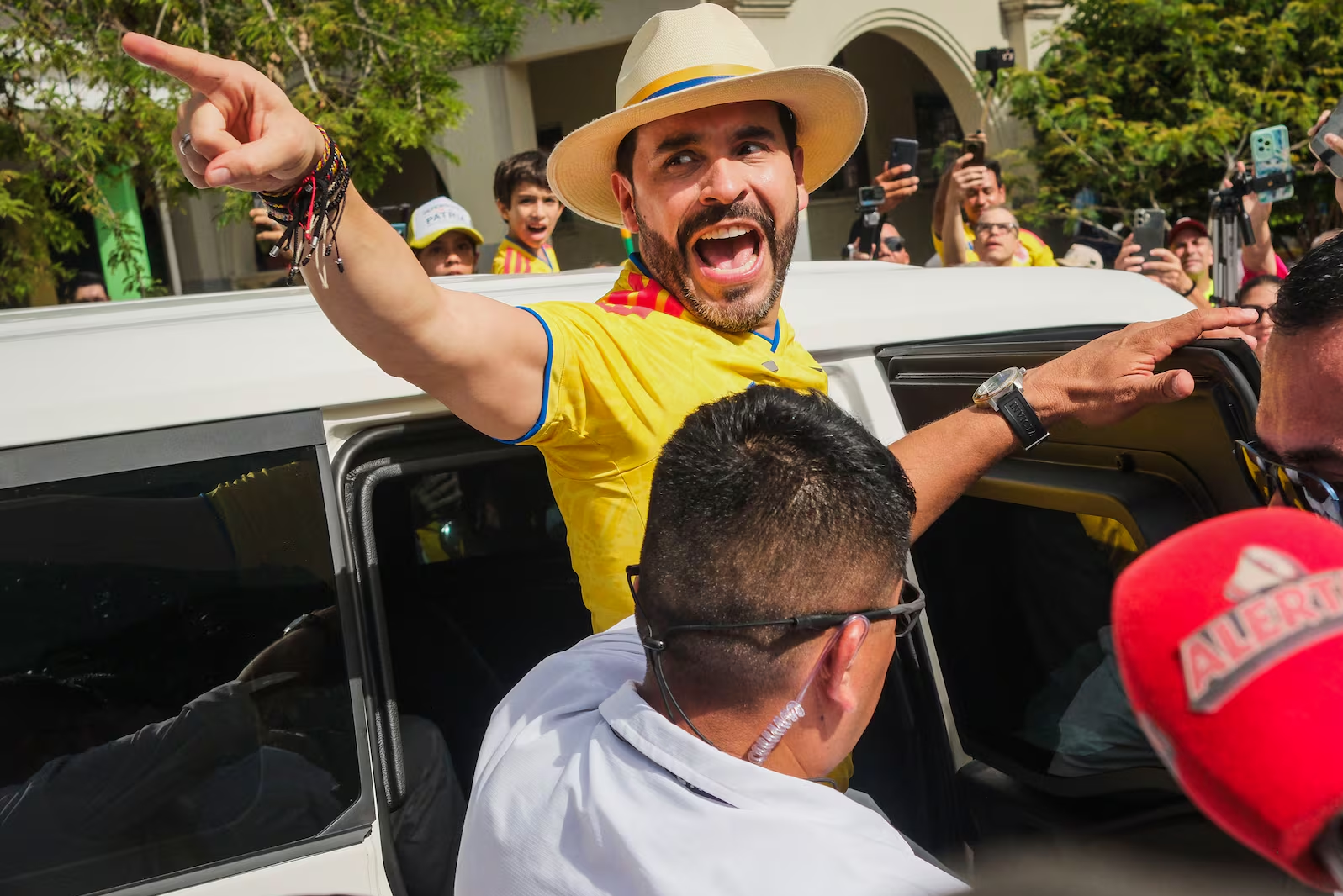
Abelardo De la Espriella will be Colombia’s next president after winning the runoff election held on June 21. The Defensores de la Patria candidate secured 49.66% of the vote, compared to 48.70% obtained by Iván Cepeda, the candidate representing the ruling Pacto Histórico coalition.
The margin of less than one percentage point reflects a highly polarized political landscape and foreshadows a presidency shaped by the need to build consensus. De la Espriella will take office on August 7, while the newly elected Congress will begin its term on July 20.
Voter turnout reached nearly 63%, the highest level in the country’s recent history. Increased participation particularly benefited the ruling coalition, which significantly narrowed the gap observed in the first round. Although Cepeda did not win the presidency, he consolidated Pacto Histórico as one of the country’s leading political forces and a key opposition actor.
Petro’s Challenges to the Electoral Process
Following the release of the preliminary results, President Gustavo Petro questioned Colombia’s electoral system and argued that the winner should only be determined once the official vote count was completed. In this context, sectors aligned with the government submitted more than 55,000 complaints before the electoral authorities.
However, the first-level results of the official vote count released by the National Registry showed a 99.997% match with the preliminary count conducted on election day, with no substantial changes to the trend initially observed.
Despite this, Petro continued to question the legitimacy of the process. In a message posted on the social media platform X, he reiterated allegations of alleged foreign interference in favor of De la Espriella and argued that the Colombian case should be analyzed under criteria similar to those used in the annulment of Romania’s presidential elections.
A Right-Wing Government with a Strong Focus on Security
A criminal defense lawyer with no previous experience in executive office, De la Espriella built his campaign around a message centered on security, reducing the size of the state, and promoting a market-oriented economic agenda. Throughout the campaign, he openly praised political leaders such as Nayib Bukele, Javier Milei, and Donald Trump.
His main policy proposals include reducing the fiscal deficit, simplifying the tax system, expanding oil and gas exploration, modernizing public institutions through artificial intelligence, and strengthening security policies to combat armed groups and illegal economies.
After the election results were announced, the president-elect moderated part of his rhetoric and called for national unity, institutional respect, and democratic dialogue, while reaffirming that security would remain one of the top priorities of his administration.
Congress: The Main Challenge to Governability
Beyond the presidential outcome, the composition of Congress is expected to be one of the key factors shaping the next administration. Defensores de la Patria will hold limited representation in the Senate, while Pacto Histórico has emerged as the largest minority bloc in the legislature.
In this context, governability will depend on the new administration’s ability to build agreements with traditional parties and center-right political forces, including the Conservative Party, Cambio Radical, Centro Democrático, and Partido de la U.
The relationship between the executive and legislative branches will be crucial for advancing De la Espriella’s proposed reforms, particularly in economic, fiscal, and security matters. At the same time, the opposition led by Cepeda will seek to defend the key policies implemented during Gustavo Petro’s administration.
Regional and International Outlook
In foreign policy, the president-elect has expressed his intention to strengthen ties with the United States and Israel. His victory was welcomed by prominent international right-wing leaders, including Donald Trump, Javier Milei, Nayib Bukele, and Giorgia Meloni.
Markets initially reacted positively to the election result. However, the new government will face a challenging economic environment and will need to manage the tensions generated by a fragmented political landscape. The combination of business sector support, legislative bargaining capacity, and public approval during the first months of the administration will be critical in determining the stability of the new government.
With a narrow victory and a Congress lacking clear majorities, the beginning of De la Espriella’s presidency will mark a new chapter in Colombian politics, characterized by the contest between a right-wing reform agenda and an opposition strengthened by the electoral outcome.