
With a Wide Margin, Laura Fernández Wins Costa Rica’s Elections
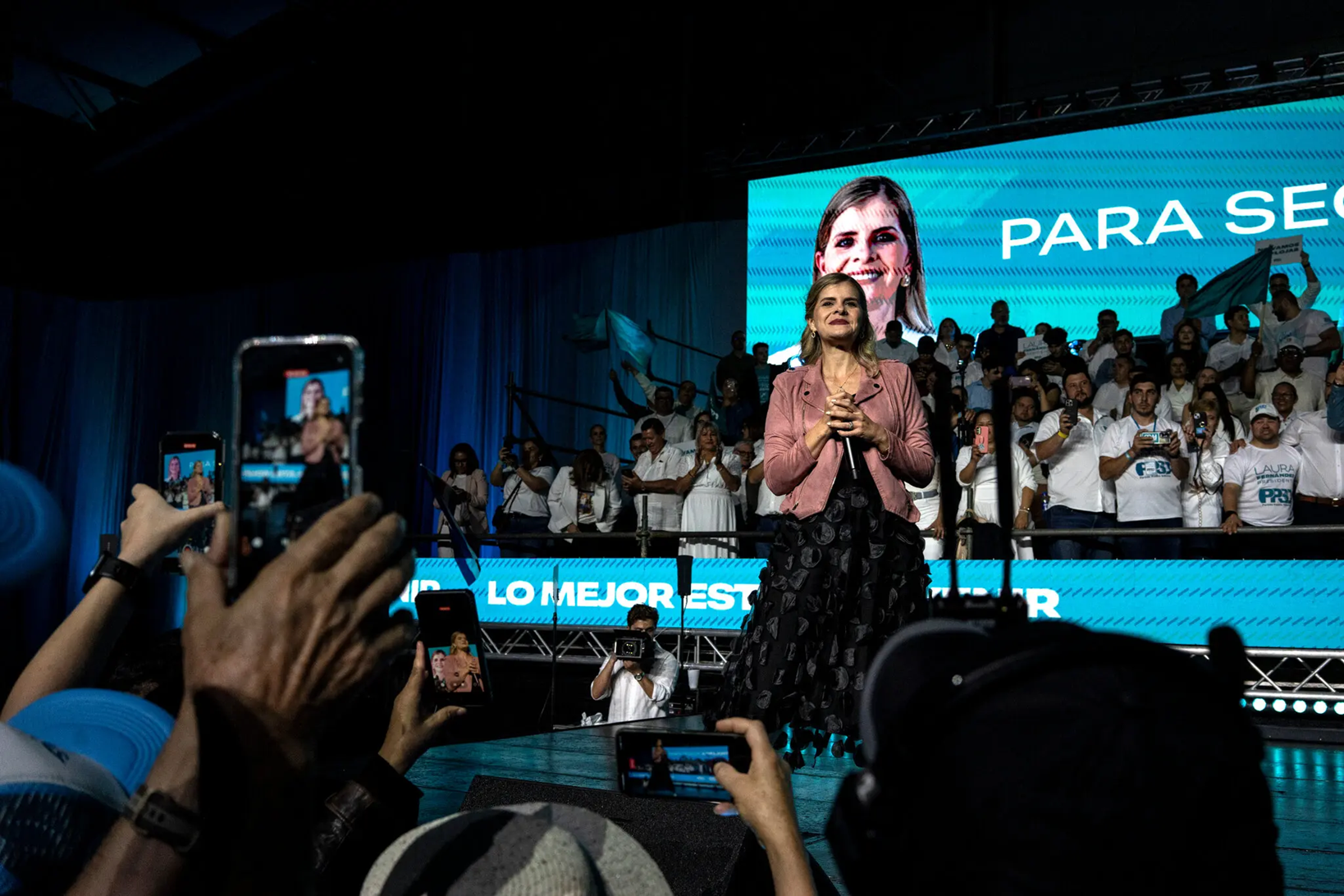
Costa Rica held presidential and legislative elections this Sunday, resulting in a broad victory for the ruling party. Laura Fernández, candidate of the Pueblo Soberano Party, won the presidential race without the need for a runoff, securing more than 48% of the vote against 19 other candidates.
Fernández defeated Álvaro Ramos of the National Liberation Party, who received 33% of the vote and placed second. The president-elect will take office on May 8 and will serve a term lasting until 2030.
At the same time, the ruling party achieved a historic result on the legislative front by securing an absolute majority in the Legislative Assembly, winning 31 of the 57 seats. The new Congress will assume office on May 1.
Voter Turnout and Democratic Climate
Voter turnout reached 69.10%, marking a return to customary levels of electoral participation after lower turnout figures in recent elections. The election day unfolded in a climate of institutional normalcy and democratic celebration, with national and international observers highlighting the orderly conduct of the electoral process.
The Supreme Electoral Tribunal called for bridging the differences that emerged during the campaign and for renewing democratic commitment as the country enters a new political cycle.
What Will Costa Rica’s New Legislative Assembly Look Like?
With 31 seats, the Pueblo Soberano Party surpasses the absolute majority required to pass legislation. However, the Legislative Assembly requires the presence of two-thirds of its members to convene, which will compel the ruling party to build agreements with other political forces to ensure quorum.
The main counterweights to the government will be led by the National Liberation Party, with 17 seats, and the Broad Front Party, with 7 seats. These forces will be able to condition or slow down Executive initiatives, particularly in key votes.
Priorities of Laura Fernández’s New Government
Among the central priorities of the incoming government are market liberalization, the promotion of competition, state modernization, and a tougher stance on insecurity and drug trafficking. In labor policy, the ruling party will seek to advance approval of the exceptional 4×3 work schedule bill.
On the political and institutional front, debates over far-reaching reforms are not ruled out, including potential constitutional changes and a possible expansion of Executive powers, opening a new chapter in Costa Rica’s institutional dynamics.