
Honduras: The Return of the National Party and the New Power Map
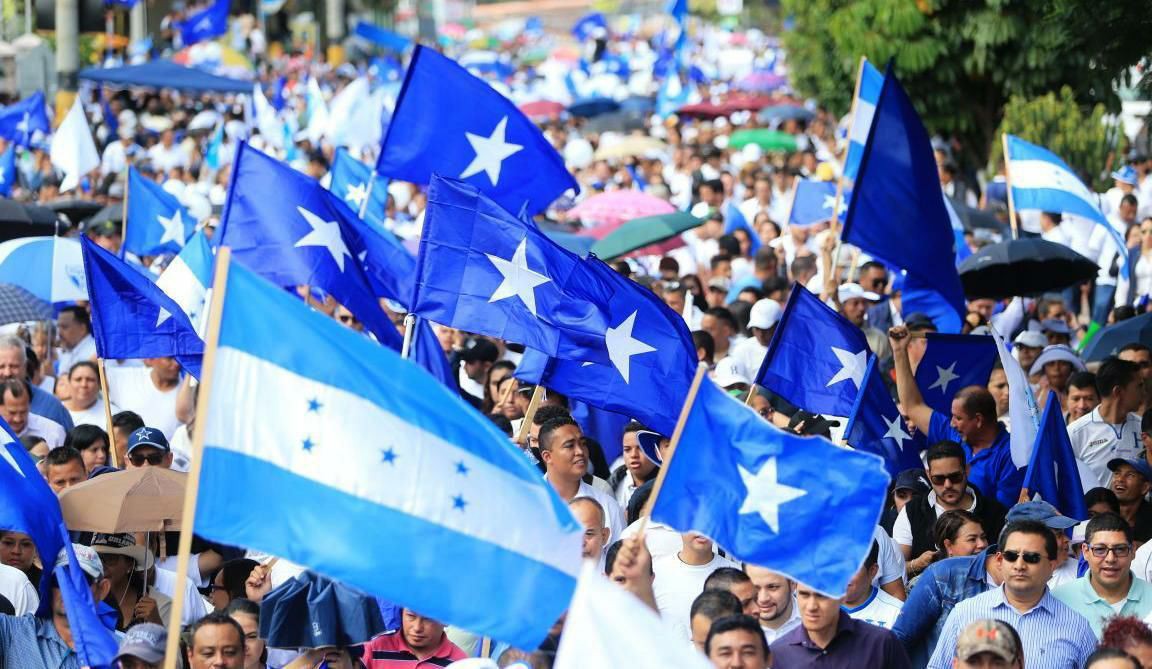
On January 27, the Partido Nacional returned to power in Honduras with the inauguration of Nasry Asfura as president, following a close electoral process and a transition marked by tensions. His administration prioritizes job creation through private-sector incentives, reform of the collapsed public health system—which he will oversee directly—and the strengthening of ties with the Estados Unidos, in a context of 60% poverty and a public debt of $18 billion.
A construction entrepreneur and two-term mayor of Tegucigalpa, Asfura previously served as a congressman and was a presidential candidate in 2021. In his first public appearances, he emphasized incentives for the private sector to reactivate the economy and improve public healthcare—critical areas amid widespread labor informality and legal uncertainty.
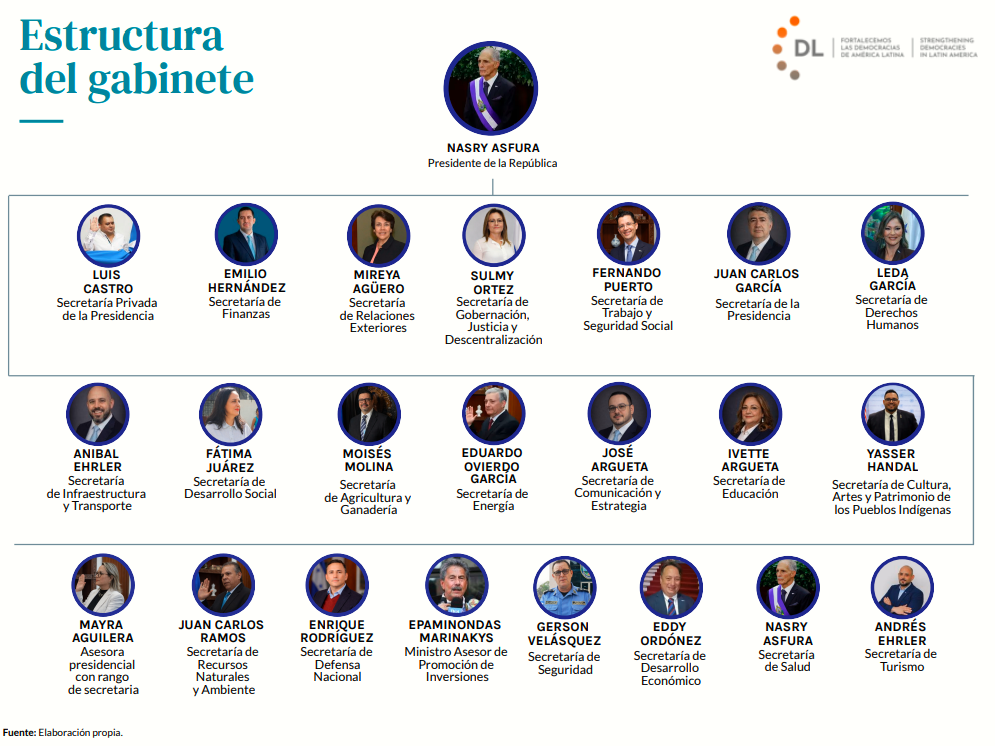
Without a formal vice presidency, three presidential designates—María Antonieta Mejía (first), Carlos Alberto Flores (second), and Diana Baleska Herrera (third)—will assume succession roles, while the Health portfolio will remain under Asfura’s direct supervision. The cabinet in formation highlights figures with municipal and technical backgrounds within the National Party, such as Sulmy Ortez in Governance, Mireya Agüero in Foreign Affairs, and Emilio Hernández in Finance, prioritizing stability and swift implementation.
The new Congress, presided over by Tomás Zambrano (National Party), does not grant absolute majorities, forcing the ruling party to negotiate with the Partido Liberal de Honduras (PLH), led by Jorge Cálix, to advance labor and healthcare reforms. The opposition party LIBRE is undergoing restructuring, and while the recent inauguration approved Asfura’s priorities, tensions persist over proposed electoral changes.